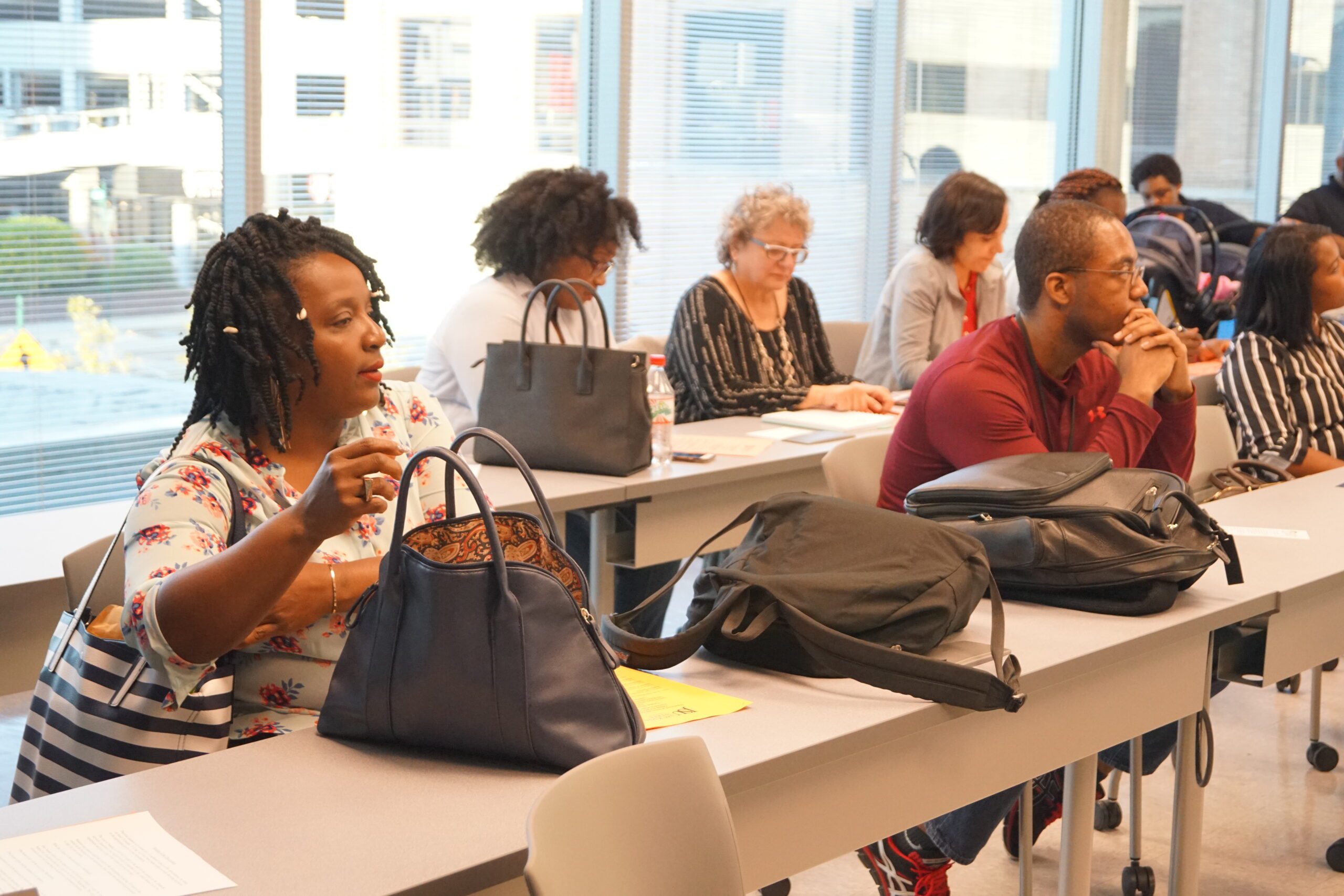
Planning for Our Future @ The Department of Urban and Regional Planning
College of Science, Engineering, and Technology
The mission of the Department of Urban and Regional Planning (DURP) at Jackson State University, “Mississippi’s Urban University” and only planning degree-granting program in the State, is to specialize and train students to pursue exciting careers in community development and housing, environment and land use, and urban design; to create a diverse learning community in the field of planning; to provide students with the skills and knowledge to lead and contribute to the improvement of urban and regional environments; to prepare students to understand and serve a diverse and multicultural society, and to increase the number of members from under-represented groups in the professional ranks.
HOME
Welcome to the Department of Urban & Regional Planning (DCRP) at Jackson State University, located in historic Jackson, the capital of Mississippi. Jackson is known for true southern hospitality and nationally recognized institutions of higher learning.

- DURP is the only Urban and Regional Planning program in the state of Mississippi and is one of four HBCUs in the nation offering accredited Urban Planning programs.
- DURP’s premier, student-centered programs foster engagement and empowerment as we diversify the field of planning.
Our Mission Focuses:
- Student-centered teaching and learning!
- Empowerment of our people and communities!
- Building healthy, equitable, livable, and resilient societies!
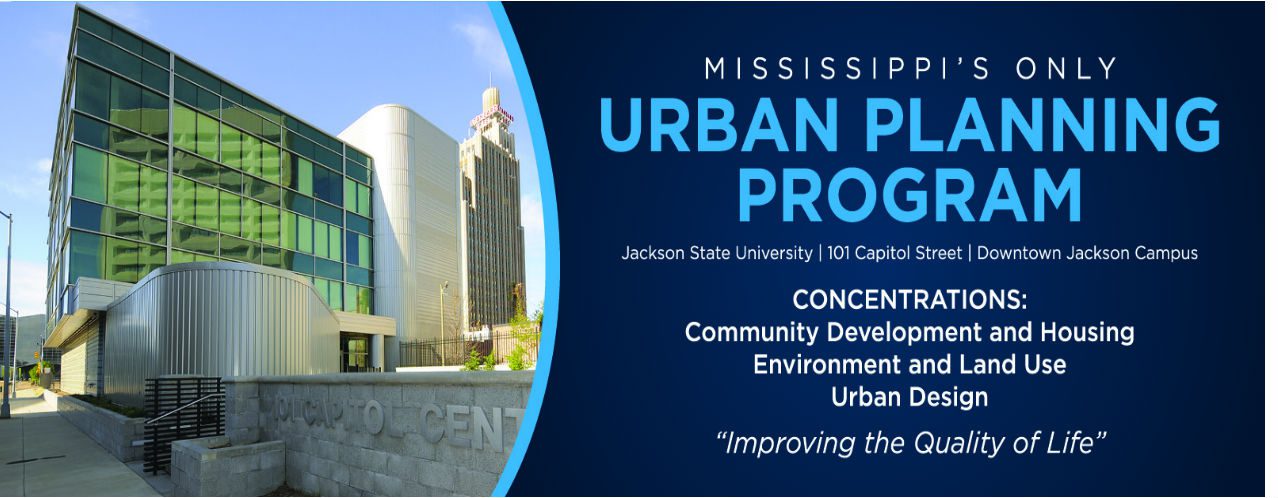
DURP Students Specialize In:
- Community Development & Housing
- Environment & Land Use
- Urban Design
Our Graduates Are:
- Knowledgeable, skilled equity-conscious practitioners, researchers, scholars, and decision-makers.
- Intellectually and technically equipped to confront sustainable development opportunities and challenges facing society.
- Skilled, competent and innovative thinkers and leaders who can significantly contribute to society on the local, national and international levels.
ABOUT THE PROGRAM
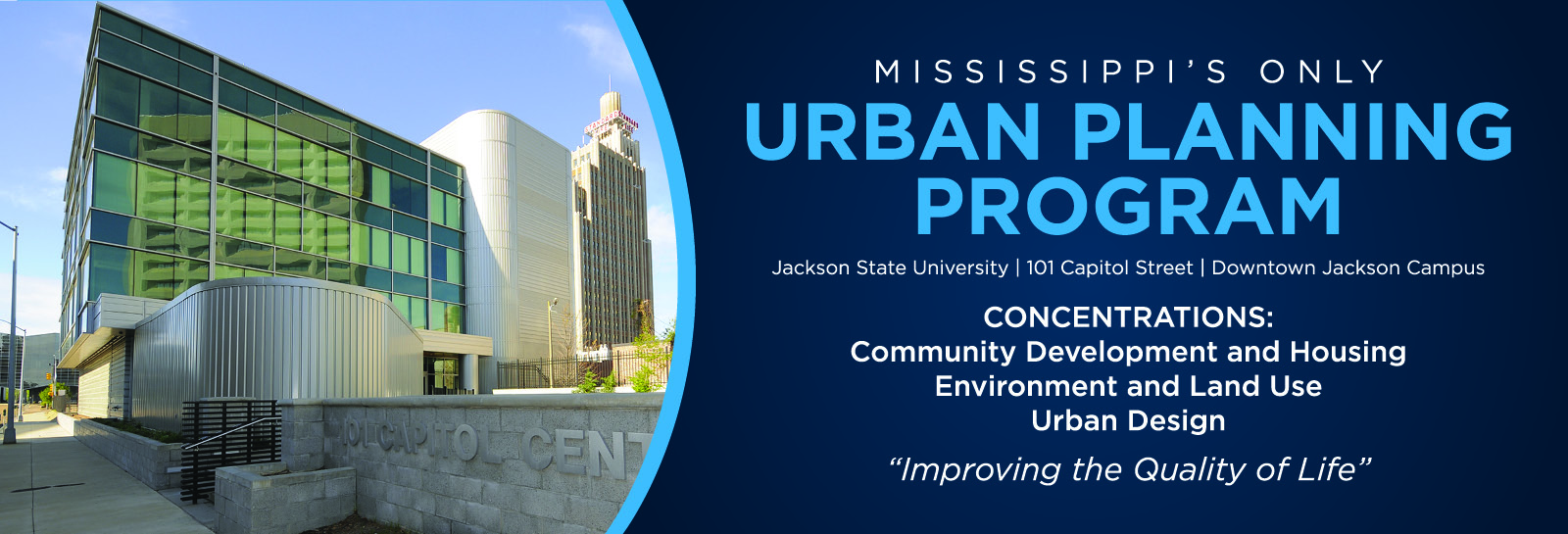
Mission Statement
The mission of the Department of Urban and Regional Planning (DURP) at Jackson State University, “Mississippi’s Urban University” and only planning degree granting program in the State, is to specialize and train students to pursue exciting careers in community development and housing, environment and land use, and urban design; to create a diverse learning community in the field of planning; to provide students with the skills and knowledge to lead and contribute to the improvement of urban and regional environments; to prepare students to understand and serve a diverse and multicultural society; and to increase the number of members from under-represented groups in the professional ranks.
Click to View Our Mission Statement, Vision Statement, & History of DURP
LEARN BY DOING
Hands-On Experiential Learning! Skill Development! Working With Community Partners!
“Challenging Minds, Changing Lives.”
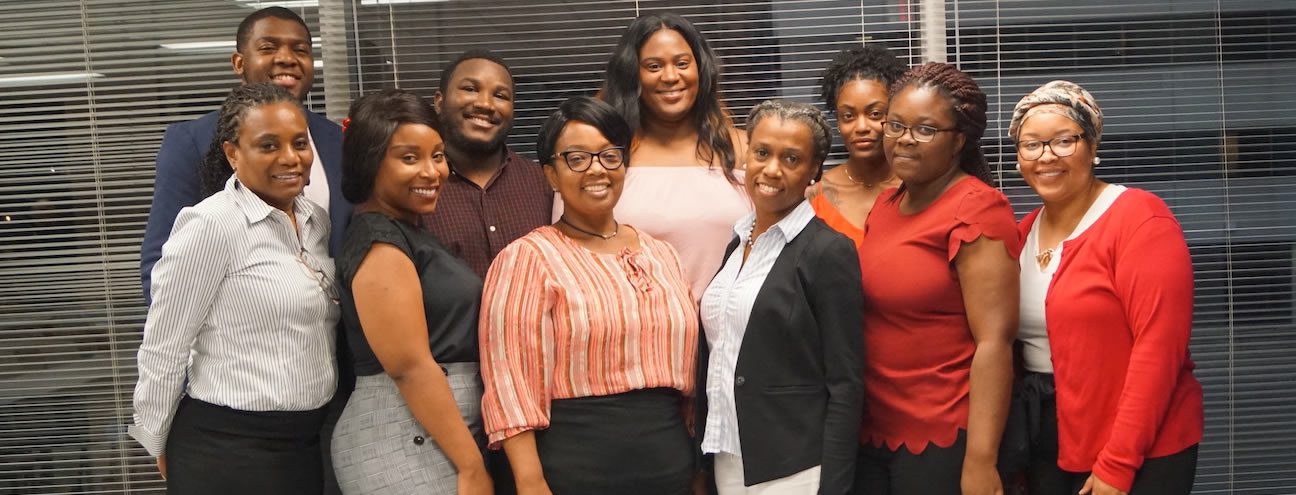
APPLY YOUR KNOWLEDGE
Urban Planners apply their knowledge and skills to shape vibrant and sustainable cities.
Urban Planners leverage data, information, and analyses to create plans that serve the community.
Urban Planners work to build community resilience, equipping cities and regions to prosper, advancing wealth creation, environmental quality, and social justice.
CAREER OPPORTUNITIES
Urban and Regional Planning majors have a plethora of career options:
| Project Planning Officer | Associate Planner | Deputy Director Planning | Senior Planner |
| Director of Community and Economic Development | Senior Transportation Planner | Planning Manager | City Planner |
For additional job opportunities, click here: American Planning Association Jobs Search
RESEARCH
Embark on a journey of discovery with us as we delve into the cutting-edge research happening within our department.
Want to learn more? Click below to view our research.
PERSONNEL
READY TO JOIN?
For more information, please contact us at (601) 979-6863. We look forward to meeting with you and seeing how our program can help you achieve your goals.
DEPARTMENT OF URBAN AND REGIONAL PLANNING